Riga active city centre transforms, but still preserves its constant value
Riga active city centre - safe and constant value both from
the point of view of investment and choosing this territory as a
living and working space, according to forecasts of experts. 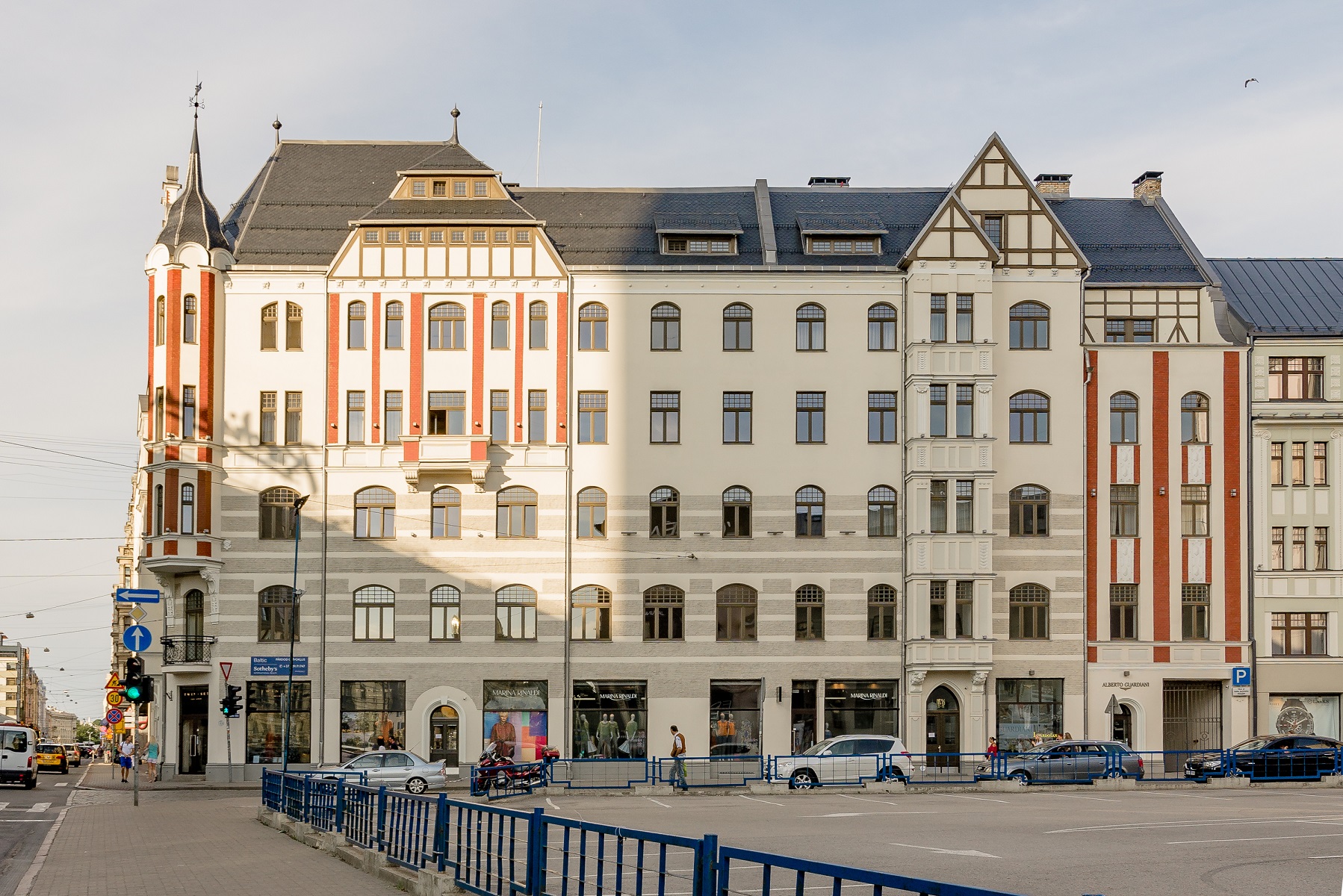 The active city
centre is an ideal place for real estate for business with
multifunctional use - for commercial spaces and offices or rent of
apartments due to the flow of tourists increasing. Although currently
the city centre is going through transformations in favour of
pedestrians and to the detriment of private transport, Riga active
city centre will become increasingly more attractive by the
possibility to get everywhere on foot, friendliness towards cyclists,
and attractive and clean urban environment with many renovated
historical buildings and parks.
The active city
centre is an ideal place for real estate for business with
multifunctional use - for commercial spaces and offices or rent of
apartments due to the flow of tourists increasing. Although currently
the city centre is going through transformations in favour of
pedestrians and to the detriment of private transport, Riga active
city centre will become increasingly more attractive by the
possibility to get everywhere on foot, friendliness towards cyclists,
and attractive and clean urban environment with many renovated
historical buildings and parks.
Swapping a car for a bicycle
Similar as it happens in many other capital cities worldwide, gradual giving up of cars by urban residents is shown by the increase of popularity of cheap taxi companies, as well as popularity of bicycles. An upward trend is also observed for such relatively recent mobility solutions as joint use of cars and bicycles, which allows renting a vehicle even for very short periods of time - only to get from point A to point B, without having to worry about numerous formalities or maintenance.
“Keeping a car for, probably, going to the countryside once
per month while living in the centre of Riga becomes too
inconvenient,“ the architect and partner of “Depo
projekts“ Līga Platais has observed. 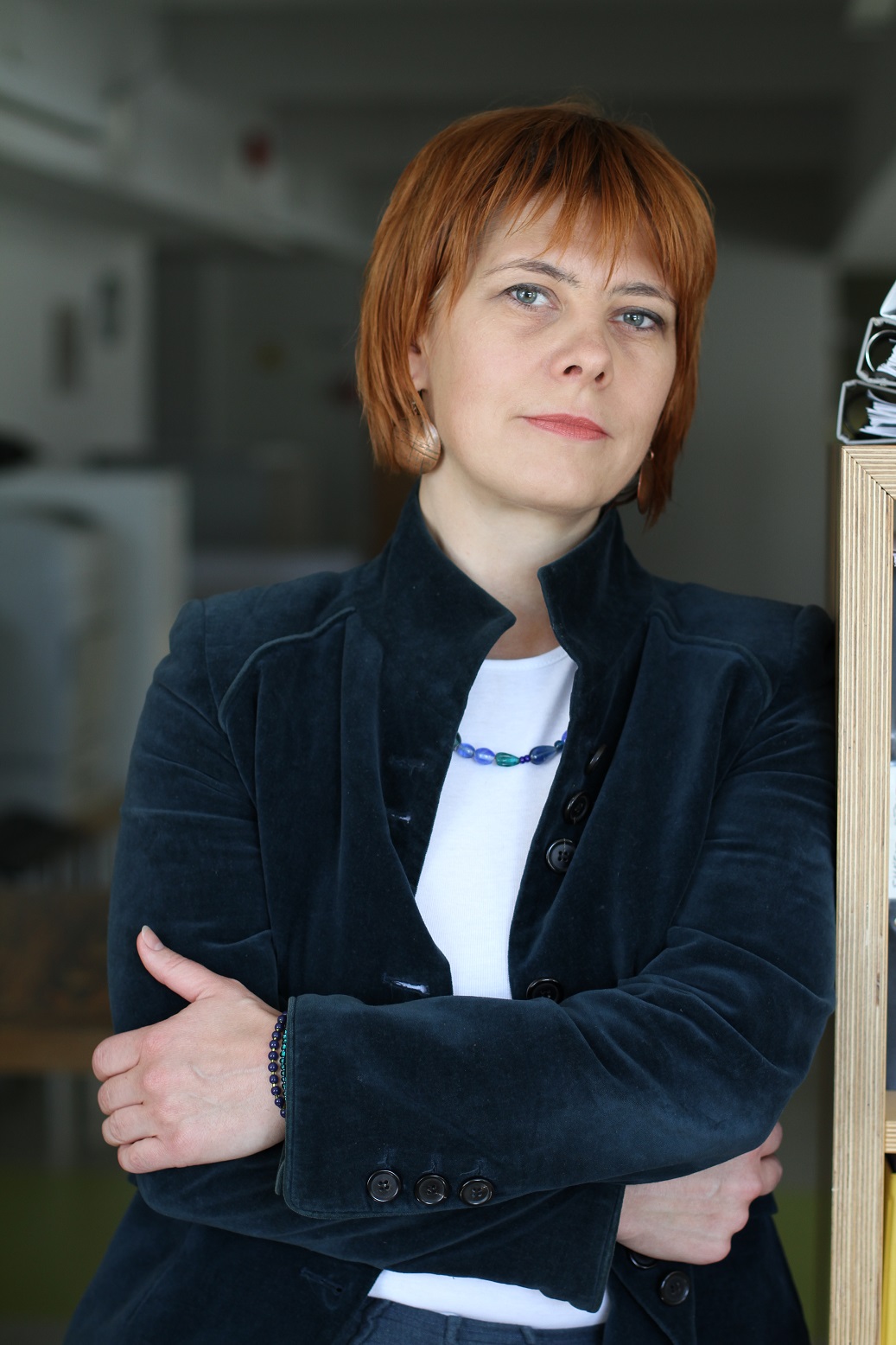
“Already now the centre of Riga has become friendlier for pedestrians than drivers, and this trend will only continue. If you are residing and working in the city centre, you don't need a car!“ She assumes that, similar as in many other cities worldwide, in the course of time paid bicycle parking lots will develop in Riga, which may serve as a huge step towards popularity of bicycles and will promote natural decrease of shortage of car parking lots in the centre of Riga.
“Some bicycles already cost more than a car and become in a way a sign of status of a modern resident of Riga,“ Līga Platais is convinced.
Cleaner air and less noises
Outlining city plans concerning Riga active city centre, which is currently delimited by Bruņinieku, Čaka, Valdemāra Streets and Old Riga, the architect of Riga city Gvido Princis indicates, that similar as with renovation of Barona, Stabu and Elizabetes Streets, also gradual renovation of other main roads of the city centre will be commenced in the nearest future, making them friendlier for pedestrians and cyclists. Such approach activates the urban environment, promoting opportunities for use of real estate and business.
“Although by now no precise transport infrastructure
improvement projects are known, one thing is clear - availability of
private transport in this part of the city will become increasingly
more exclusive, which means that the quality of environment in the
centre of Riga will become even better - cleaner air and less
noises, which is a dream of residents of every large
city,“ considers G. Princis.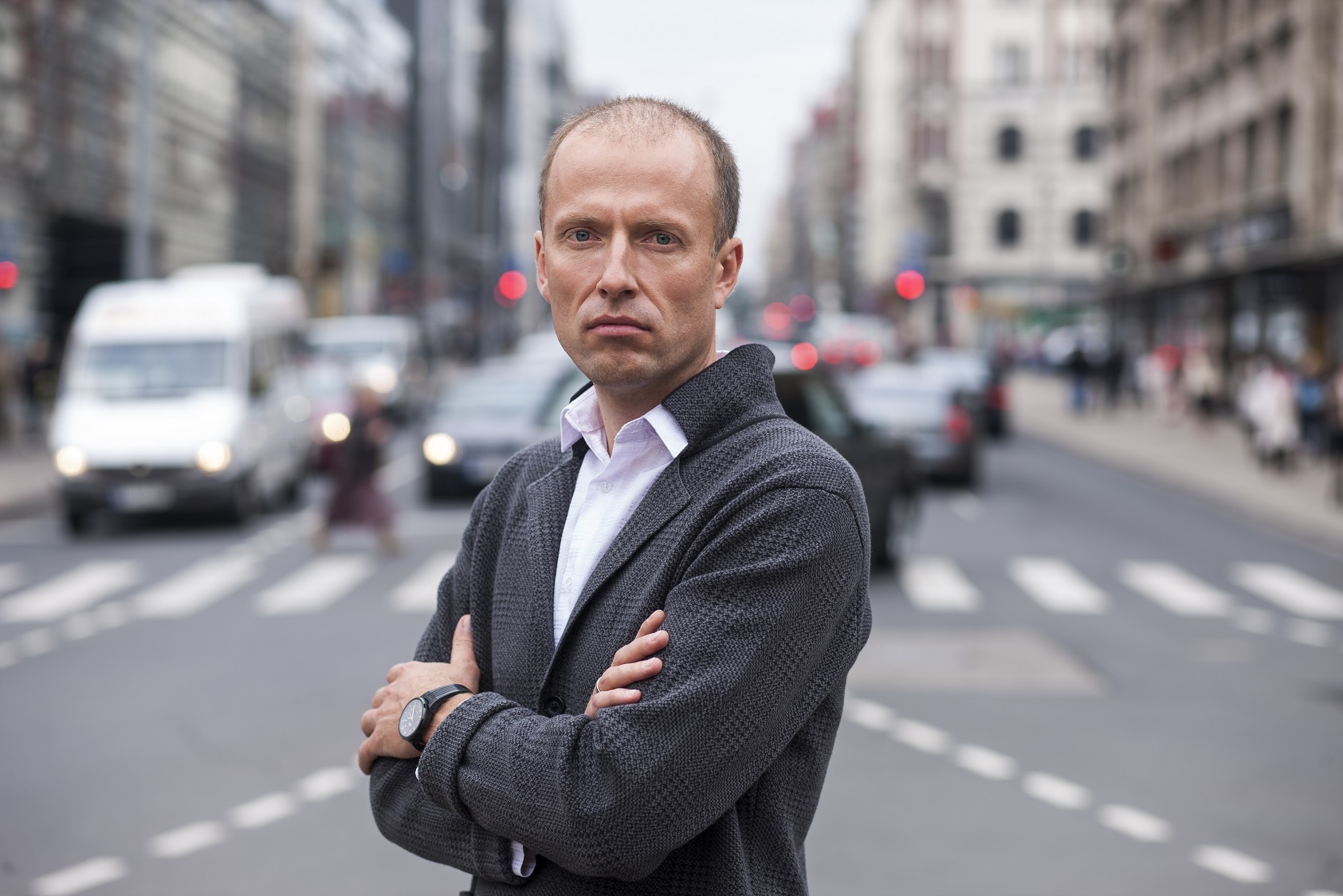 Also, renovation of plantation of parks
and streets will be continued. Besides the attractive renovated
façades of historical buildings, also courtyards are improved with
green areas, benches and bicycle stands, making the city centre more
attractive. Whereas regarding the so called dark houses or slums, the
architect indicates, that looking for new forms of cooperation between
the city and owners of these buildings has to be continued, because
the story, opportunities for use and also potential investment differ
for each of these buildings - in the case with historical buildings,
for example, on the corner of Brīvības Street and Matīsa Street, much
larger investment is required than for buildings with less cultural
historical and architectural significance.
Also, renovation of plantation of parks
and streets will be continued. Besides the attractive renovated
façades of historical buildings, also courtyards are improved with
green areas, benches and bicycle stands, making the city centre more
attractive. Whereas regarding the so called dark houses or slums, the
architect indicates, that looking for new forms of cooperation between
the city and owners of these buildings has to be continued, because
the story, opportunities for use and also potential investment differ
for each of these buildings - in the case with historical buildings,
for example, on the corner of Brīvības Street and Matīsa Street, much
larger investment is required than for buildings with less cultural
historical and architectural significance.
Compared to Old Riga, attractiveness of the active city centre has definitely increased also by the fact, that there are less tourists. However, searching for more authentic feeling of Riga, tourists become more diligent consumers of the commercial offers of the active city centre.
Higher price, but lower risk
The real estate expert of “IMMOSTATE“ Aigars
Strods indicates: “Although prices of apartments and offices
in the active city centre are higher than in more distant districts
of Riga, the overall benefits are those to look at - pleasant
surrounding living space, as well as time and costs saved on
transport. In addition, a property acquired in the active city
centre will always have lower risk of not being able to sell it in
the case of necessity, or suffer large price fluctuations, compared
to micro-districts of Riga, for example“. 
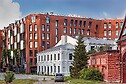
The expert mentions the renovated historical building at Blaumaņa Street 12 as a good example of demand for modern living space in the active city centre: “The developer has not only creatively replenished the building by choosing a bright orange-red colour for the façade, but also has respected the market demand for more compact apartments, so currently one quarter of apartments is already sold (despite the first apartments are planned to be commissioned only in early 2020)“.
A.Strods does not deny, that the demand was also facilitates by the relatively friendly prices offered by the developer
- starting from 2,250 euros per square meter, which proves that no
matter how attractive seems an offer to reside in a renovated
historical building in the city centre, the price has to be binding.
As observed by the expert, apartments in the active city centre are frequently acquired also as investment objects in order to later rent them, because for tourists it is important to stay in a place, where all main objects can be reached on foot. In general, the active city centre becomes increasingly more visually attractive - the historical buildings at Lāčplēša Street 13, Kr. Barona Street 14 and Brīvības Street 46 have been renovated.
Rental houses return gradually
As another significant aspect Aigars Strods mentions the fact, that the rental house market has currently become very active in the city centre, which was popular during the period of the first free state. This process has been facilitated also by the so called millenials, who want more freedom from being bound to and responsible for a particular real estate, thus preferring to reside in rented housing. Therefore, the expert recommends - the houseowners who have not yet decided, how to develop and what to do with their buildings, one potential solution is to look in the direction of rental houses. The rental market is also promoted by development of tourism, where compact and small apartments are particularly demanded.
Considering, that in the 1910s around 300 new buildings were built in the centre of Riga, most likely, renovation of many more buildings is expected in the nearest future, which will make the centre of Riga even more magnificent. According to the architect Līga Platais, all these buildings were mainly constructed according to requirements of that time with high ceiling and spacious rooms, and also according to the layout requirements of that time (small kitchen, small bathroom etc.), which mostly does not correspond to modern household needs, so they have to be transformed.
“These buildings have gone through the Soviet period, so it is only logical, that after such moral renovation these buildings have huge advantages, compared to other real estate in the city“, considers the architect.